Metal Casting: Optimized Marine Designs
Wiki Article
An Appearance at the Future: Trends Shaping the Future Generation of Light Weight Aluminum Foundries
The light weight aluminum foundry industry stands on the verge of considerable change. Automation and progressed technology assurance to reshape manufacturing processes. Sustainability practices are becoming necessary to meet environmental standards. As modification needs increase, the need for adaptability in producing grows. Joint initiatives with tech companions might drive development. These arising patterns suggest an essential shift awaits. What obstacles and chances lie ahead for aluminum shops in this progressing landscape?The Rise of Automation in Light Weight Aluminum Foundries
The integration of automation in light weight aluminum factories is improving the market landscape. As manufacturers take on advanced modern technologies, processes commonly reliant on hands-on labor are becoming progressively automated. This change not only boosts production performance but additionally minimizes human mistake, leading to a much more regular product top quality. Robotics and expert system systems are being made use of for tasks such as mold and mildew prep work, pouring, and ending up, streamlining operations and lowering lead times.Automation helps with the collection and evaluation of data, enabling factories to enhance their processes continually. Predictive upkeep powered by sensors aids in anticipating devices failings, leading to decreased downtime. The workforce is likewise advancing, as employees are adapting into roles that need oversight of automated systems, concentrating on higher-level analytic and technology. Overall, the rise of automation in aluminum foundries represents a considerable development, positioning the market for improved efficiency and competition in a quickly altering market.
Accepting Sustainability Practices
Light weight aluminum factories are progressively embracing sustainability methods to attend to environmental concerns. Key initiatives concentrate on recycling and reuse of materials, along with innovations aimed at boosting power effectiveness. Aluminum Foundry. These efforts not just lower waste however likewise contribute to a more lasting manufacturing procedureRecycling and Reuse Initiatives
A significant change in the direction of sustainability is reshaping the landscape of aluminum shops, with lots of embracing innovative recycling and reuse campaigns. This activity highlights the importance of decreasing waste and maximizing source effectiveness. Foundries are increasingly applying closed-loop systems, enabling scrap aluminum created during manufacturing to be reprocessed and reintegrated right into the manufacturing cycle. In addition, partnerships with neighborhood recycling centers facilitate the collection of post-consumer light weight aluminum, further sustaining sustainable techniques. By using innovative sorting modern technologies and recycling approaches, these factories boost the high quality of recycled products, ensuring they fulfill market criteria. In general, these campaigns not only lower environmental effect but likewise add to set you back financial savings, placing light weight aluminum foundries as leaders in sustainable manufacturing within the steel market.Energy Performance Innovations
Numerous light weight aluminum shops are accepting power efficiency advancements as component of their sustainability practices. These developments include the assimilation of innovative innovations such as automation, fabricated knowledge, and energy administration systems. By maximizing manufacturing processes, shops can significantly lower power consumption while maintaining outcome top quality. In addition, many are purchasing renewable resource resources, such as solar and wind, to power their procedures, further lowering their carbon footprint. The usage of energy-efficient heaters and recycling warmth produced throughout production is likewise becoming commonplace. These methods not just add to ecological sustainability but likewise bring about cost financial savings for foundries. As the market advances, the commitment to energy performance will likely play a necessary duty fit the future of light weight aluminum production.The Influence of Expert System
As the aluminum factory sector evolves, the integration of man-made knowledge (AI) is coming to be increasingly significant. AI innovations are revolutionizing production processes by improving functional effectiveness and minimizing waste. Anticipating analytics, powered by AI, permits shops to foresee potential equipment failures, enabling proactive maintenance and minimizing downtime. Additionally, AI-driven formulas boost casting layouts, leading to enhanced product use and boosted product quality.AI facilitates real-time tracking of production criteria, allowing prompt modifications to maintain excellent conditions. This flexibility not only boosts product uniformity but additionally supports energy-efficient techniques. By evaluating substantial quantities of data, AI can determine patterns and understandings that human operators could overlook, driving continual improvement. As these innovations come to be extra obtainable, the aluminum shop industry is positioned to leverage AI to accomplish better precision and advancement, inevitably shaping a much more lasting and affordable future in production.
Additive Production Innovations
Additive manufacturing is quickly changing light weight aluminum foundries by improving style capacities and enabling much more complicated geometries. This technology not just enables higher imagination in item growth but also assists in cost-efficient production methods. As these innovations progress, they assure to redefine typical manufacturing processes in the industry.Enhanced Design Capabilities
Development in style abilities has actually changed the landscape of light weight aluminum factories, especially with the combination of additive production innovations. This improvement enables higher adaptability in making intricate geometries that were formerly unattainable with traditional approaches. Factories can now develop lightweight frameworks enhanced for performance and performance, decreasing material waste and enhancing power performance. Furthermore, the fast prototyping capabilities of additive manufacturing make it possible for quicker refinements and iterations, cultivating advancement in product development. Collaboration in between style engineers and shop technicians has actually likewise been strengthened, leading to extra efficient communication and boosted end products. As these modern technologies remain to evolve, the possibility for personalized solutions customized to particular applications will certainly additionally redefine the future of aluminum shops.Affordable Manufacturing Techniques
Emerging patterns in cost-effective production techniques have actually transformed the light weight aluminum factory sector, especially through improvements in additive manufacturing. This innovation enables the fast manufacturing of complicated geometries with lowered material waste, substantially lowering expenses. By making use of 3D printing techniques, shops can create elaborate parts that traditional techniques battle to achieve, improving layout flexibility. On top of that, additive production improves prototyping procedures, permitting quicker iterations and faster time-to-market. These developments not just maximize production effectiveness however additionally add to sustainability efforts by lessening scrap. As light weight aluminum foundries progressively embrace these approaches, they position themselves to meet growing need while keeping affordable pricing, ultimately transforming the landscape of light weight aluminum production.Enhancing Quality Assurance Measures
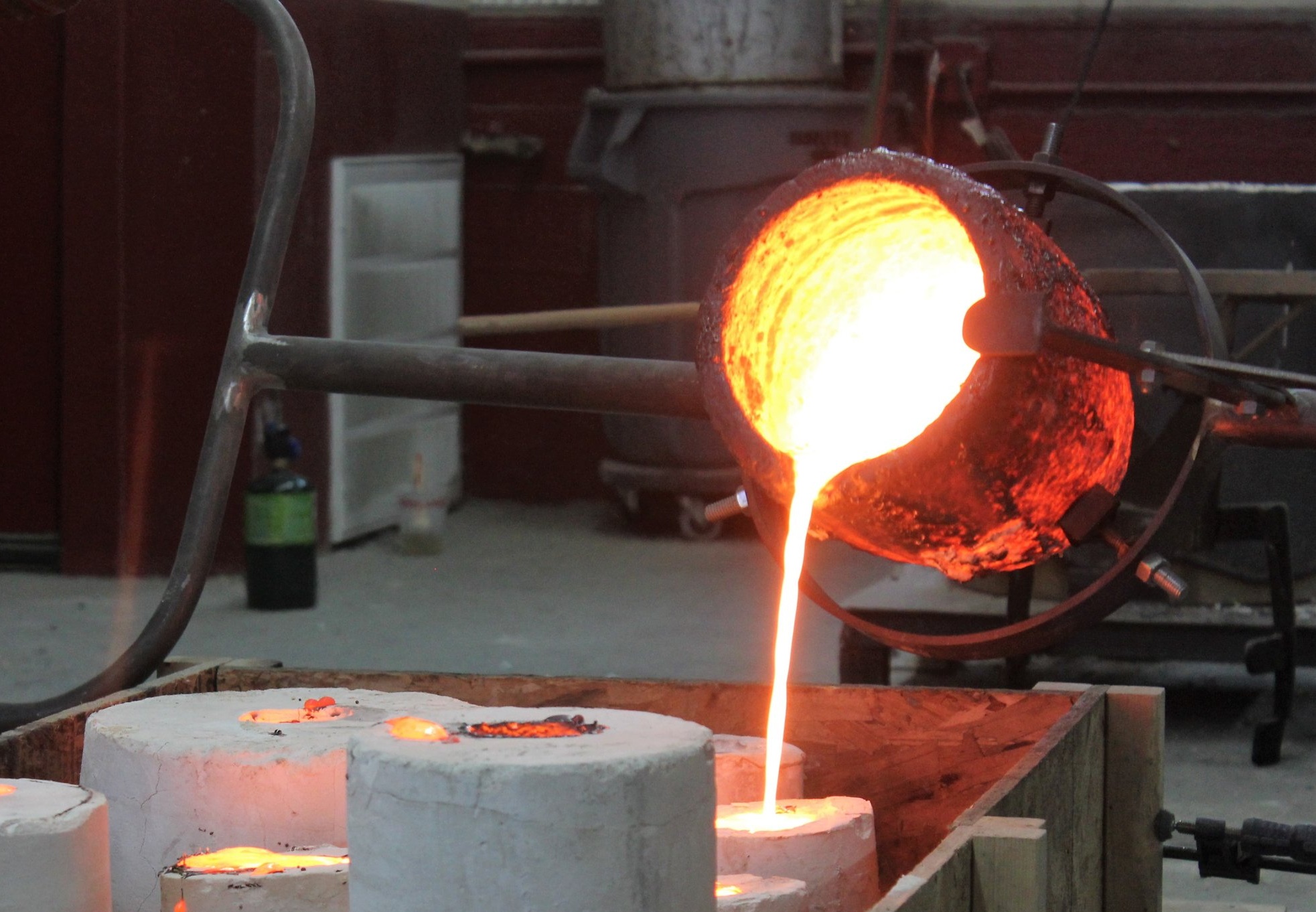
Several shops are applying standard operating treatments and strenuous screening procedures. By cultivating a society of responsibility and constant enhancement, they aim to lessen variations in production quality. Educating programs for staff members are additionally being prioritized to protect that personnel are well-versed in quality control methods. Eventually, these enhanced quality assurance gauges not just improve item dependability but also bolster the reputation of light weight aluminum shops in an affordable marketplace, paving the way for long-term success and sustainability.
The Change In The Direction Of Customization and Adaptability
As aluminum shops enhance their top quality control actions, they are likewise reacting to an enhancing demand for personalization and adaptability in manufacturing - Metal Casting. This change is driven by advancing customer choices and the requirement for specialized items throughout different industries. Factories are adjusting their procedures to accommodate reduced volume runs and tailored styles, allowing them to fulfill certain customer needs extra efficiently. Advanced innovations, such as additive production and computer-aided design, are facilitating this improvement by permitting fast prototyping and adjustments, therefore decreasing lead times. In addition, the integration Metal Foundry of clever manufacturing techniques improves the flexibility of assembly line, allowing factories to pivot promptly in action to market modifications. The focus on personalization not only boosts consumer complete satisfaction however likewise settings factories to continue to be competitive in a dynamic market landscape, leading the means for innovation and varied item offerings in the aluminum sectorCollaborations and Collaborations in the Sector
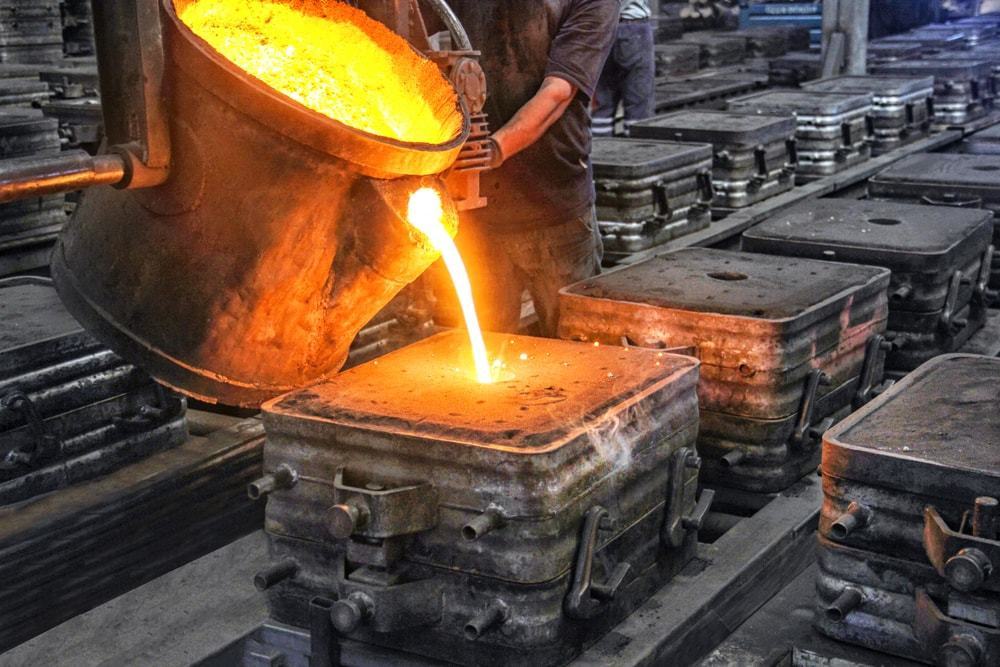
Additionally, collaborations with research establishments promote the growth of lasting techniques and brand-new alloys, dealing with environmental issues and regulatory requirements. These collaborations also help in understanding sharing, enabling companies to take on finest methods and rapidly apply technical developments.
Furthermore, critical partnerships with providers guarantee a secure supply chain for raw materials and advertise expense efficiencies. As the industry encounters difficulties such as labor scarcities and enhancing competitors, these partnerships are pivotal in driving development and innovation. By interacting, light weight aluminum foundries can better browse the complexities of the marketplace and achieve lasting success.
Frequently Asked Concerns
What Are the Initial Expenses of Automating a Light Weight Aluminum Foundry?
The first costs of automating an aluminum shop can range significantly, typically between thousands of thousands to several million dollars, relying on the level of automation, devices top quality, and specific operational needs of the facility.How Can Little Shops Adopt Sustainable Practices Successfully?
Small foundries can embrace lasting techniques effectively by executing energy-efficient innovations, reusing scrap products, maximizing processes to decrease waste, and using eco-friendly products, cultivating a society of sustainability among employees through training and understanding efforts. Aluminum Foundry.
What Role Does Data Safety Play in AI Applications?
Data safety and security is necessary in AI applications, making certain the defense of delicate details, keeping customer trust fund, and preventing unapproved accessibility. By applying durable protection actions, companies can guard information stability and maintain compliance with policies.How Will Additive Production Affect Typical Casting Methods?
Additive production will certainly improve conventional casting techniques by permitting for extra complicated geometries, decreasing material waste, and reducing manufacturing times. This combination might cause a hybrid strategy, maximizing performance and broadening layout opportunities in manufacturing.What Abilities Will Be Most popular in Future Aluminum Foundries?
In future light weight aluminum foundries, skills in additive manufacturing, information sustainability, evaluation, and automation techniques will be paramount. Employees proficient in advanced technologies and environmentally-friendly procedures will certainly be in high need, driving market innovation and effectiveness.Foundries are significantly executing closed-loop systems, permitting scrap aluminum created during manufacturing to be recycled and reintegrated right into the manufacturing cycle. Additive production is swiftly transforming light weight aluminum foundries by improving design abilities and making it possible for much more intricate geometries. Innovation in style capacities has changed the landscape of light weight aluminum foundries, especially via the integration of additive manufacturing modern technologies. Emerging patterns in cost-efficient production techniques have actually revolutionized the aluminum factory field, particularly with innovations in additive production. As aluminum factories improve their top quality control measures, they are also responding to a boosting need for modification and flexibility in production.
Report this wiki page